

Our Gallery


Contact Info
- Pleasure Spaces (India) Pvt. Ltd, PSI Plaza, Sy.No – 77/1, T C Halli, Sarjapura Road, Opp. ICICI Bank, Bangalore – 562125
- hello@pleasurespacesinteriors.com
- +91 8884700030
Which
Plywood Brand
to choose from
As of my knowledge cutoff in September 2021, the following three brands are often considered among the top choices for plywood in the interior design industry:
Greenply Industries Limited: Greenply is one of the leading plywood brands known for its high-quality products. They offer a wide range of plywood options suitable for various interior applications. Greenply plywood is known for its durability, strength, and resistance to warping or bending. They use advanced manufacturing techniques and quality control measures to ensure their products meet industry standards.
Century Plyboards (India) Limited: Century Plyboards is another prominent brand that has gained popularity for its plywood products. They offer a diverse range of plywood suitable for different interior requirements. Century Plyboards uses modern technologies in its manufacturing processes, resulting in plywood that is strong, termite-resistant, and dimensionally stable. They focus on sustainability and have gained a reputation for environmentally friendly practices.
It's important to note that the availability and preferences for brands may vary based on your location. Additionally, as market trends change over time, it's advisable to research and consult with local experts or suppliers to get the most up-to-date information on the best plywood brands for interior applications.
Interior Design
Why Ply Material?
Services
Why Plywood for Carcass?
Plywood is often favored for interior applications due to several beneficial properties and characteristics. Here are some reasons why plywood is considered good for interiors
Strength and Durability: Plywood is made by layering and gluing thin sheets of wood veneer together with each layer's grain direction perpendicular to the adjacent one. This cross-graining gives plywood superior strength and stability compared to solid wood. It resists warping, cracking, and twisting, making it durable for various interior applications.
Versatility: Plywood comes in various grades and thicknesses, allowing for versatility in interior design. It can be used for a wide range of applications, including furniture, cabinets, wall paneling, flooring, and more.
Resistance to Moisture: Depending on the type of plywood and its manufacturing process, it can offer good resistance to moisture. This makes it suitable for use in areas where solid wood might be prone to swelling or warping, such as in kitchens and bathrooms
Structural Stability: Plywood is known for its dimensional stability, meaning it is less prone to expansion and contraction due to changes in temperature and humidity. This characteristic is important for maintaining the structural integrity of interior elements
When selecting plywood for interior applications, it's crucial to consider the specific grade, type, and intended use to ensure optimal performance and satisfaction with the final result.
Interior Design
Why HDFHMR Material?
Services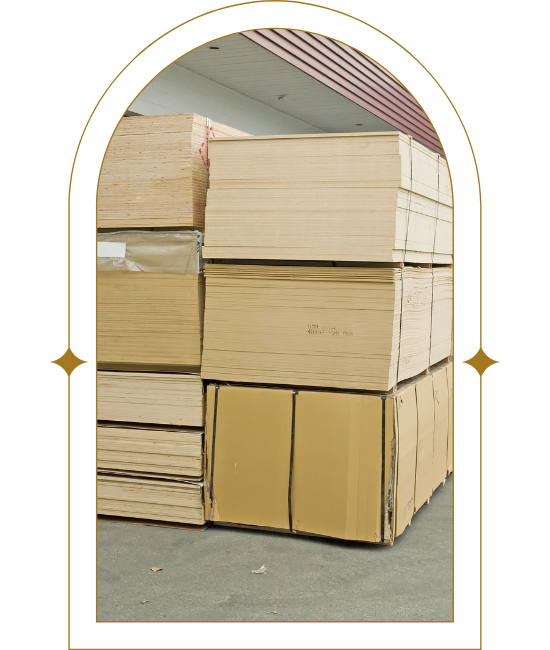
Why HDFHMR Material for Sarcass?
HDFHMR stands for High-Density Fiberboard High Moisture Resistant, and it is a type of engineered wood product that is often used for making shutters. Here are a few reasons why HDFHMR is a good choice for shutters:
Moisture resistance: HDFHMR is highly resistant to moisture, which makes it an ideal material for use in areas that are exposed to high humidity or moisture, such as bathrooms or kitchens. It does not swell or warp when exposed to moisture, which helps to maintain the structural integrity of the shutters
Strength and durability: HDFHMR is made from highly compressed wood fibers, which makes it very strong and durable. This allows the shutters to withstand wear and tear, as well as the stresses of regular use.
Versatility: HDFHMR can be easily cut and shaped to fit specific design needs, which makes it a versatile material for shutter construction. It can also be painted or stained to match any decor.
Versatility: HDFHMR can be easily cut and shaped to fit specific design needs, which makes it a versatile material for shutter construction. It can also be painted or stained to match any decor.
Overall, HDFHMR is a good choice for shutter construction because of its moisture resistance, strength, durability, versatility, and affordability.
Interior Design
Why BWP Material?
Services
Why BWP for Water Prone Areas?
BWP stands for Boiling Water Proof, and it is a type of plywood that is highly resistant to water and moisture. Here are a few reasons why BWP plywood is often considered to be a good choice:
Water resistance: BWP plywood is made with a special type of glue that makes it highly resistant to water, making it an ideal material for use in areas with high humidity or where exposure to water is likely.
Durability: BWP plywood is often made from high-quality hardwoods that are strong and durable, which means that it can withstand wear and tear, as well as heavy loads.
Longevity: BWP plywood is designed to last a long time, even in harsh environments, which makes it a good investment for homeowners and builders who want to create structures that will stand the test of time.
Versatility: BWP plywood can be used for a wide variety of applications, from flooring and roofing to furniture and cabinetry. It can also be easily cut and shaped to fit specific needs and designs.
Overall, BWP plywood is a good choice for any application where water resistance, durability, and longevity are important considerations.
Interior Design
Why MDF Material?
Services
Why MDF for Shutters?
Medium Density Fiberboard (MDF) is often used for interior shutters due to several advantages that make it suitable for this application:
Smooth Surface: MDF has a smooth and uniform surface, making it ideal for applications where a sleek and polished appearance is desired. This characteristic is especially beneficial for interior shutters, as it allows for a refined and finished look.
Consistent Density: MDF has a consistent density throughout its structure. This uniformity makes it easy to cut, shape, and machine, resulting in precise and clean edges for shutters. It also contributes to a more stable and reliable end product.
Paintability: MDF accepts paint and finishes exceptionally well. This makes it a popular choice for shutters because it allows for a flawless and even paint finish, enhancing the aesthetics of the shutters and ensuring a cohesive look with the overall interior design.
Cost-Effective: MDF is generally more cost-effective than solid wood alternatives. This makes it an attractive option for those looking to achieve a high-quality appearance without the higher cost associated with solid wood shutters.
Dimensional Stability: MDF is less prone to expansion and contraction due to changes in temperature and humidity compared to some natural woods. This dimensional stability is crucial for shutters, as it helps maintain their shape and functionality over time
Customization: MDF can be easily customized to suit specific design requirements. Whether you need intricate designs, louvered styles, or other decorative elements, MDF can be crafted with precision to achieve the desired aesthetic for interior shutters.
Ask These Questions to Your Designer!!!
WHAT ARE THE
Questions You Need to
Ask Your Designer
Experience and Qualification
How long have you been working as an interior designer?
Can you provide examples of your previous projects or a portfolio?
Are you a licensed or certified interior designer?
Do you have any specialized training or expertise in specific design styles or areas?
Design Process:
What is your approach to the design process?
How do you collaborate with clients to understand their needs and preferences?
How involved will I be in the decision-making process?
Can you explain the timeline and milestones for the project?
How do you handle changes or revisions during the design process?
Budget and Costs:
How do you establish and manage project budgets?
Do you charge a flat fee or an hourly rate for your services?
Can you provide a detailed breakdown of the costs involved, including design fees and any additional expenses?
How do you handle purchasing and procurement of materials and furnishings?
Do you have partnerships or discounts with suppliers or vendors?
How do you handle if the post-design costing has a cost difference with pre-sales signup costing?
Communication and Collaboration:
How often will we have project updates and meetings?
What is the best method and frequency of communication?
Will you be the primary point of contact throughout the project?
How do you ensure that the design aligns with my vision and expectations?
How do you handle disagreements or conflicts during the design process?
References and Testimonials:
Can you provide references or client testimonials from previous projects?
Are there any reviews or feedback available online?
Can I contact some of your previous clients for their feedback on working with you?
Remember, it's important to establish clear communication and a good rapport with your interior designer. Asking these questions will help you make an informed decision and ensure a successful collaboration.
INTERIOR HARDWARE
BRANDS



What Are The
Hardware Brands
to be Chosen?
When it comes to selecting hardware for interiors, there are several reputable brands known for their quality and design. While the top brands may vary based on personal preferences and availability in your location, here are three renowned brands known for their hardware products:
Hafele: Hafele is a well-established brand in the hardware industry, offering a wide range of products suitable for interior applications. They are known for their innovative designs, functionality, and durability. Hafele provides a comprehensive selection of hardware solutions, including handles, knobs, hinges, drawer systems, sliding door fittings, and more. Their products are often praised for their precision engineering and aesthetic appeal.
Blum: Blum is a global leader in manufacturing hardware for kitchens, bedrooms, and other interior spaces. They specialize in functional hardware solutions that enhance convenience and ease of use. Blum's products are renowned for their high-quality materials, excellent craftsmanship, and innovative mechanisms. Their drawer systems, hinges, lift systems, and inner dividing systems are designed to optimize space utilization and provide smooth and silent operation.
Hettich : Hettich is considered a reputable brand for interior hardware solutions. They have a strong presence in the industry and are known for their high-quality products and innovative designs. Hettich offers a wide range of hardware options that cater to various interior applications, including kitchen cabinets, wardrobes, bathroom fixtures, office furniture, and more.
One of the key strengths of Hettich is their focus on functionality, durability, and aesthetics.
They provide hardware solutions that not only perform well but also enhance the overall look and feel of the interior space. Hettich products are designed to meet the demands of daily use, offering smooth operation, reliable functionality, and long-lasting performance.
Additionally, Hettich is known for its continuous innovation and investment in research and development. They strive to stay at the forefront of technological advancements in the industry, introducing new features and design elements to meet evolving customer needs and design trends.
EBCO and Everyday are two additional brands that are known for offering reliable hardware solutions. Here's an overview of each brand:
EBCO: EBCO is an Indian brand that specializes in furniture hardware and accessories. They offer a wide range of products including drawer slides, hinges, locks, handles, and wardrobe accessories. EBCO focuses on providing functional and durable hardware solutions at competitive prices. They have a strong presence in the Indian market and are often chosen for their affordability and value for money.
Everyday: Everyday is a brand that offers a comprehensive range of hardware products for various applications, including furniture, doors, windows, and cabinets. They provide a wide selection of hinges, drawer slides, locks, handles, and other hardware accessories. Everyday products are known for their affordability, reliability, and availability in many regions. They cater to both residential and commercial projects, offering cost-effective solutions for interior hardware needs.
Both EBCO and Everyday are popular choices among consumers, particularly in certain regions or markets. They provide a range of hardware options that can suit different budgets and project requirements. While they may not have the same level of global recognition as some of the previously mentioned brands, they can still be considered reliable options for interior hardware solutions

INTERIOR
BRANDS




INTERIOR
BRANDS


Interior design
Membrane Services

Membranes are thin, flexible materials that can be used as interior finishes in a variety of applications. They offer several benefits over traditional finishes, including improved acoustics, durability, and ease of installation.
One popular type of interior membrane is a stretch ceiling, which is a PVC or polyester fabric that is stretched taut over a frame or suspended from a ceiling. Stretch ceilings can be printed with custom designs and offer a seamless, modern look. They are also easy to clean and can hide imperfections in the ceiling or walls. Another type of interior membrane is a wallcovering, which is a thin, flexible material that is applied to walls to improve their appearance and durability.
Wallcoverings come in a variety of materials, including vinyl, fabric, and natural fibres, and can be printed with custom designs. They can also be used to improve acoustics in a space.
Finally, acoustic membranes are used to improve the sound quality in a room. These membranes are typically made of perforated metal or wood panels that are backed with acoustic material. They can be used on walls or ceilings to absorb sound and reduce echo.
Overall, membranes offer several advantages as interior finishes, including improved aesthetics, durability, and functionality. They are versatile options that can be customized to meet the needs of any space.
Interior design
Acrylic Services
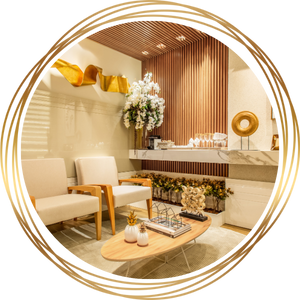
Acrylic is a popular material used for interiors due to its versatility, durability, and aesthetic appeal. It is a type of plastic that is lightweight, shatter-resistant, and available in a wide range of colours and finishes.
Acrylic can be used for a variety of interior applications, including furniture, lighting fixtures, decorative accessories, and wall panels. It is also commonly used for displays, signage, and exhibition stands.
One of the main benefits of acrylic for interiors is its transparency, which can create a sense of space and lightness. Additionally, acrylic is resistant to scratches, UV radiation, and water damage, making it an ideal choice for high-traffic areas or areas exposed to moisture.
Acrylic can be formed into various shapes and sizes, making it ideal for custom designs and projects. It can also be laser-cut or engraved for added customization. When it comes to maintenance, acrylic is easy to clean and maintain with a soft cloth and mild detergent. However, it is important to avoid using harsh chemicals, abrasive sponges, or anything that can scratch or damage the surface.
Overall, acrylic is a versatile and durable material that can add a modern and sleek look to any interior design project.
Interior finishes
Lacquered Glass
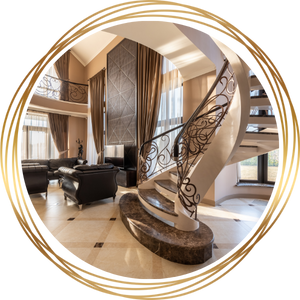
Lacquered glass is a type of glass that has a colored coating applied to one side, creating a smooth and glossy finish. It is commonly used in interior design as it can add color, depth, and a sleek aesthetic to a variety of spaces.
One of the benefits of lacquered glass is that it is easy to clean and maintain. It is also durable and resistant to scratches, making it suitable for high-traffic areas. Lacquered glass can be used in a range of applications, including wall panels, kitchen backsplashes, shower enclosures, and furniture. It is available in a wide range of colors, from bold and bright to neutral and subtle, making it easy to integrate into any design scheme
It is important to note that the installation of lacquered glass should be carried out by a professional, as it requires specific techniques to ensure proper adhesion and a long-lasting finish.
Interior design
PU Paint
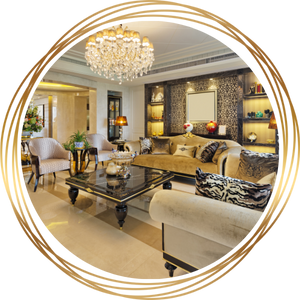
PU (Polyurethane) paint is a popular type of paint used for interior surfaces, especially for furniture, cabinets, and doors. It is a durable and tough paint that provides excellent protection against scratches, stains, and chipping. PU paint is available in a range of colours and finishes, such as gloss, matte, and satin.
PU paint is formulated by mixing polyurethane resin with a hardener and a solvent. The hardener helps the paint to cure and become more resistant to wear and tear,
One of the key advantages of PU paint is its ability to adhere to a variety of surfaces, including wood, metal, and plastic. It is also resistant to water, chemicals, and UV rays, making it suitable for both indoor and outdoor applications.
However, PU paint has a longer drying time compared to other types of paint, and it may require multiple coats to achieve the desired finish. Additionally, the solvent in PU paint can emit volatile organic compounds (VOCs) which may be harmful to health and the environment. Therefore, it is important to use PU paint in a wellventilated area and follow proper safety precautions.