Our Gallery


Contact Info
- Pleasure Spaces (India) Pvt. Ltd, PSI Plaza, Sy.No – 77/1, T C Halli, Sarjapura Road, Opp. ICICI Bank, Bangalore – 562125
- hello@pleasurespacesinteriors.com
- +91 8884700030
MODERN CONTEMPORARY DESIGN

LUXURY DESIGNS
TRADITIONAL DESIGNS
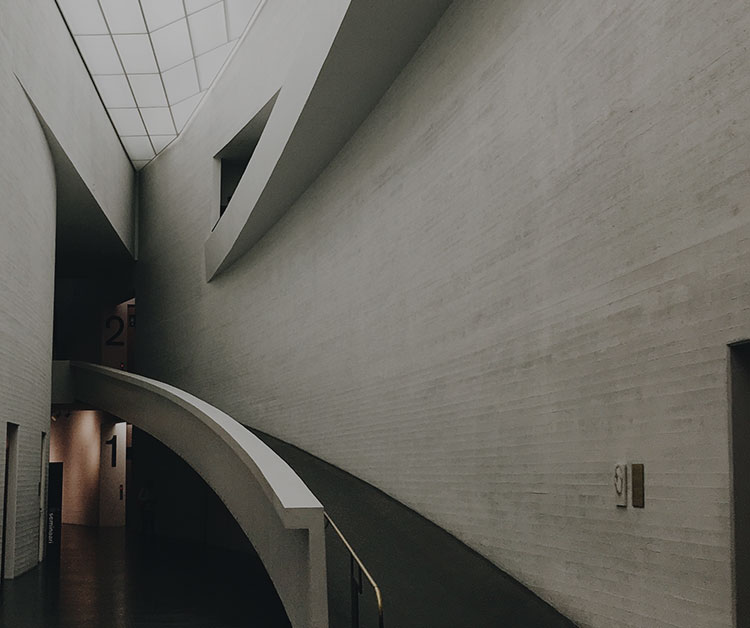
CONTEMPORARY DESIGN STYLE
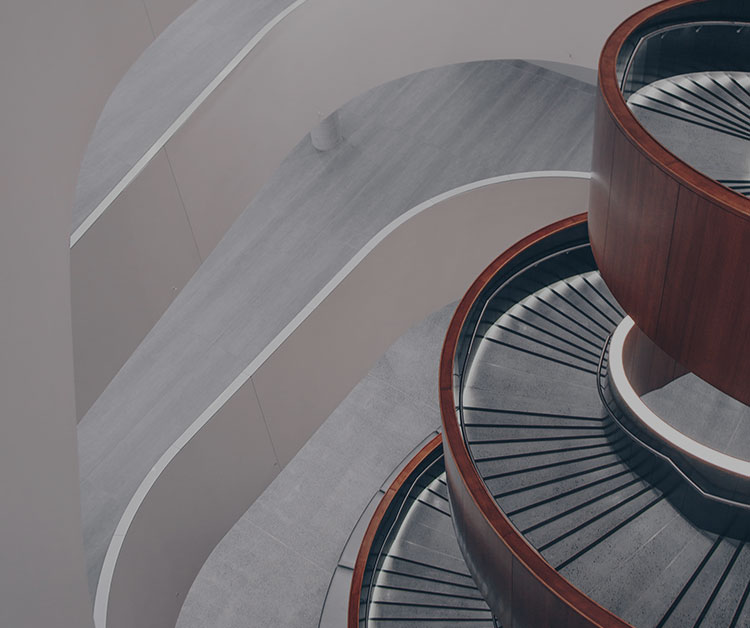
This design style embraces the latest technologies and innovations, integrating them seamlessly into the design. Large windows and an abundance of natural light are common, creating a connection to the outdoors
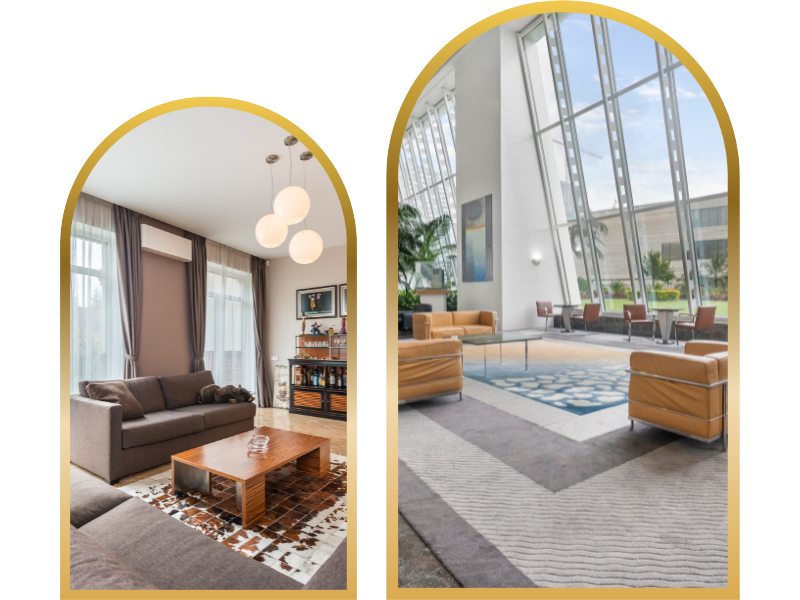
In contemporary design, spaces are uncluttered and open, with an emphasis on neutral color palettes, often juxtaposed with bold accents. Natural materials like wood, stone, and metal are frequently used, often in their raw and unadorned states. Furniture and decor are sleek and straightforward, prioritizing both form and function.
Ultimately, contemporary design is about embracing the present while looking towards the future. It's a style that is constantly evolving, incorporating new materials, technologies, and ideas to reflect the spirit of the times.
Modern contemporary design is a reflection of the times we live in. It seeks to create functional, aesthetically pleasing spaces that are in tune with the modern lifestyle. This design style is characterized by its clean lines, use of neutral colors, focus on functionality, and the integration of technology.
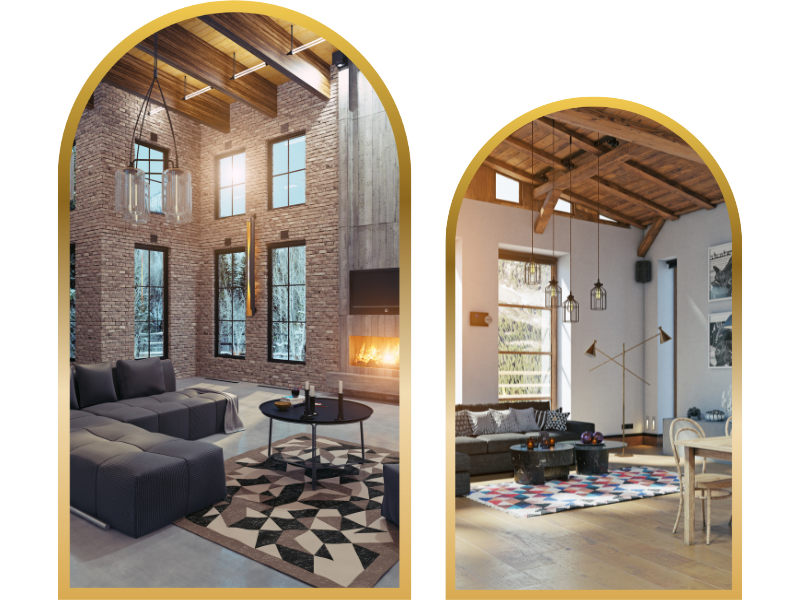
Embracing a mix of materials and a commitment to sustainable practices. It is a design philosophy that remains on the cutting edge of innovation, offering a fresh and evolving perspective on the way we live and interact with our environment
Modern Contemporary interiors blend various materials, such as glass, metal, wood, and stone, to create a visually rich and textured environment. The contrast of these materials adds depth and interest to the space.
LUXURY DESIGN STYLE

Luxury design places a strong emphasis on the use of top-tier materials, such as rare and exotic woods, precious metals, marble, granite, and high-quality textiles like silk, cashmere, and leather. These materials not only add to the aesthetics but also provide a tactile and sensory experience. Luxury design aims to create spaces that are timeless and enduring. It avoids fleeting trends in favor of D classic, enduring aesthetics that retain their appeal over the years.
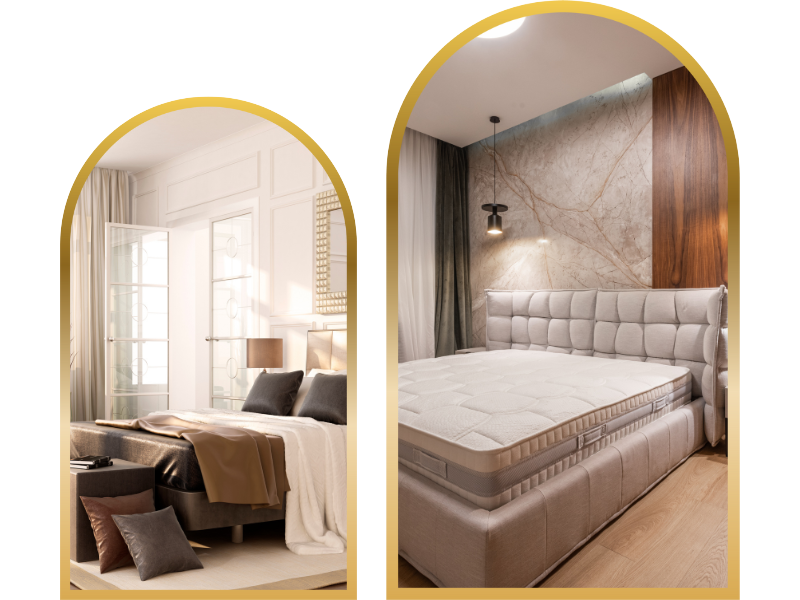
Luxury design often involves a high degree of customization. Tailored furnishings, unique fixtures, and one-of-a-kind design elements are created to meet the specific desires and needs of the client. Customization ensures that every detail is perfectly aligned with the client's vision. Meticulous attention to detail is a hallmark of luxury design. Every aspect of the design, from the selection of fabrics to the placement of decor items, is carefully considered to ensure a cohesive and refined look.
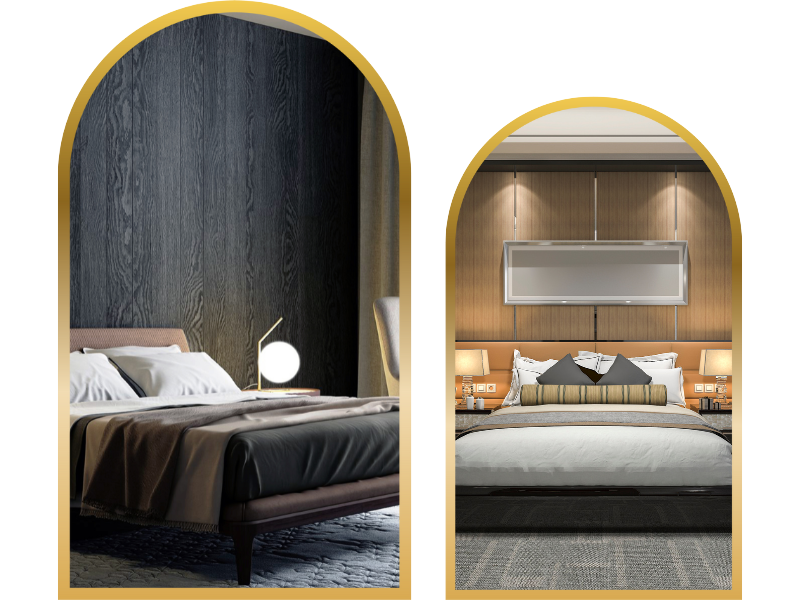
Luxury interiors often feature fine art, sculptures, and valuable collectibles. These pieces not only serve as focal points but also add a layer of culture and history to the space. luxury design is a reflection of the most refined and extravagant design aesthetics. It is characterized by the use of the finest materials, customized elements, timeless elegance, and a relentless pursuit of perfection. Luxury design caters to clients who seek an unparalleled level of comfort, beauty, and exclusivity in their living spaces, and it continues to set the standard for opulent interior and architectural design
TRADITIONAL DESIGN STYLE
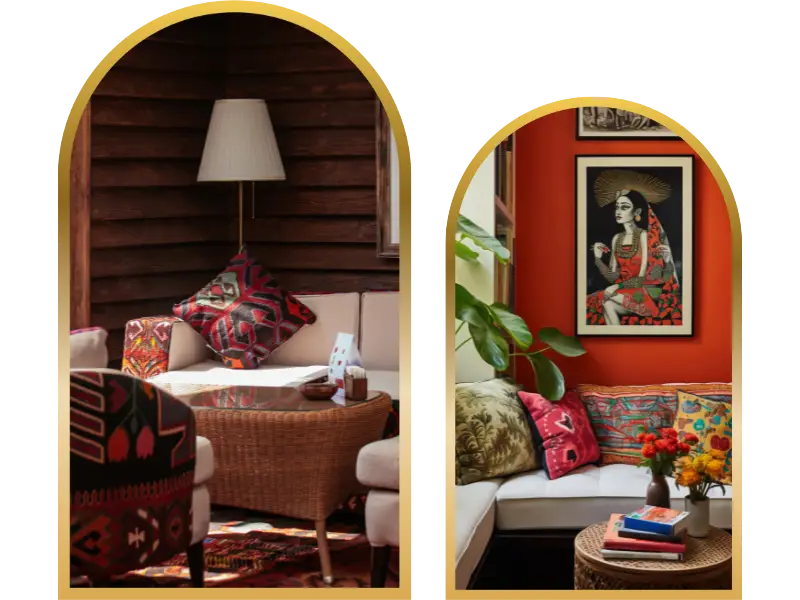
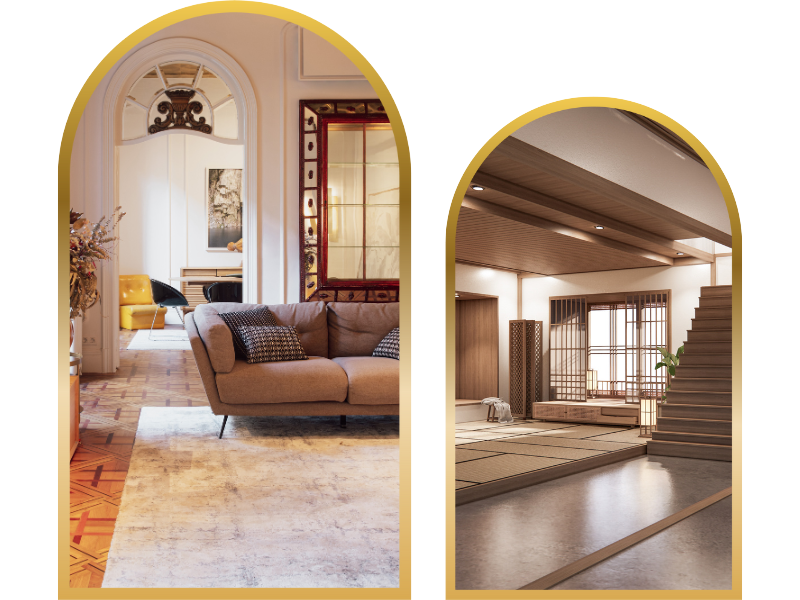
Traditional Indian interiors are a reflection of the country's rich and diverse cultural heritage, rooted in centuries-old traditions and craftsmanship. These interiors are known for their vibrant colors, intricate patterns, and a deep connection to spirituality. Traditional interiors typically feature warm and neutral color palettes. Earthy tones like beige, taupe, cream, and deep shades of red, green, and blue are common. These colors create a sense of coziness and timelessness.
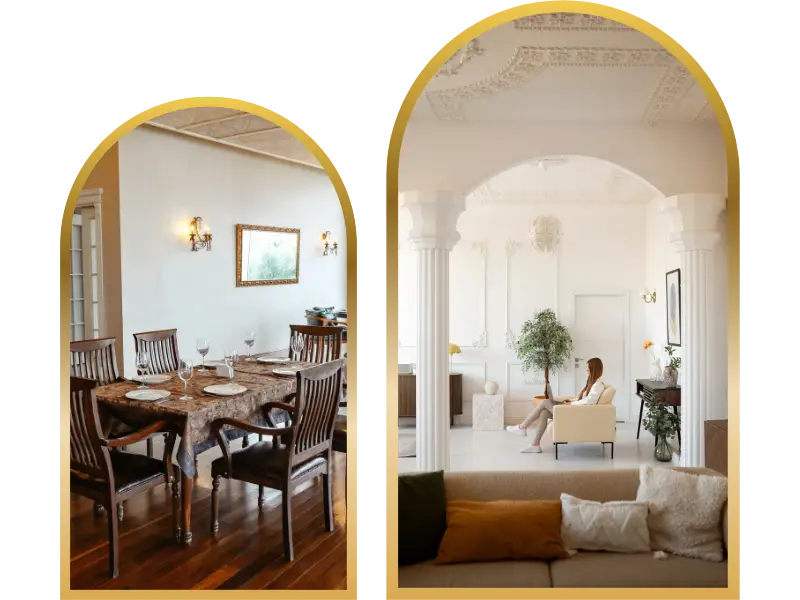
Traditional design, also known as classic design, draws inspiration from historical styles, cultural influences, and time-honored design principles. It aims to create interiors that exude a sense of comfort, familiarity, and timeless elegance. Traditional design pays homage to the design styles of the past, combining them with contemporary elements to create inviting and sophisticated living spaces. Traditional design aims to create spaces that are timeless and enduring, allowing for a sense of comfort and continuity over the years.
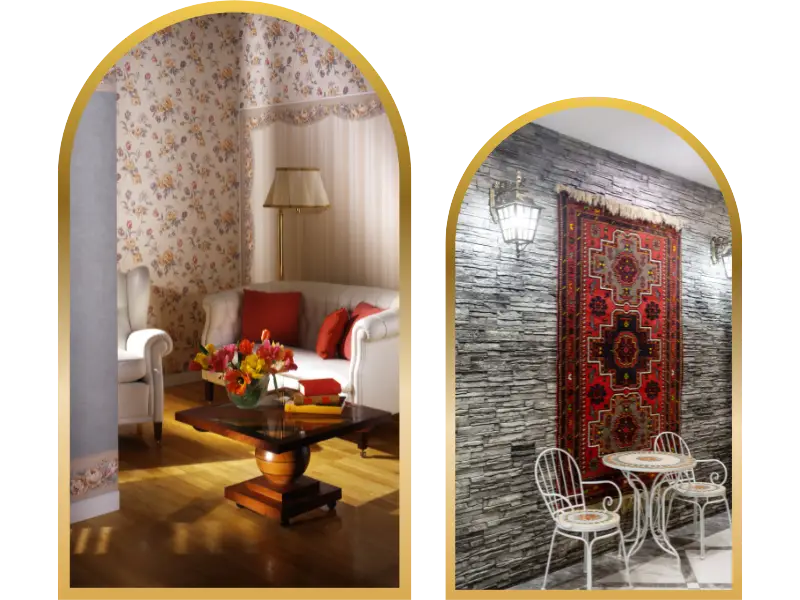
Traditional design features furniture with elegant, timeless designs. Pieces may have ornate carvings, turned legs, and detailed craftsmanship. Styles like Queen Anne, Chippendale, and Sheraton are often seen in traditional interiors. Traditional design frequently incorporates antique and vintage furniture and decor items. These pieces add historical depth to the space and create a sense of connection to the past.
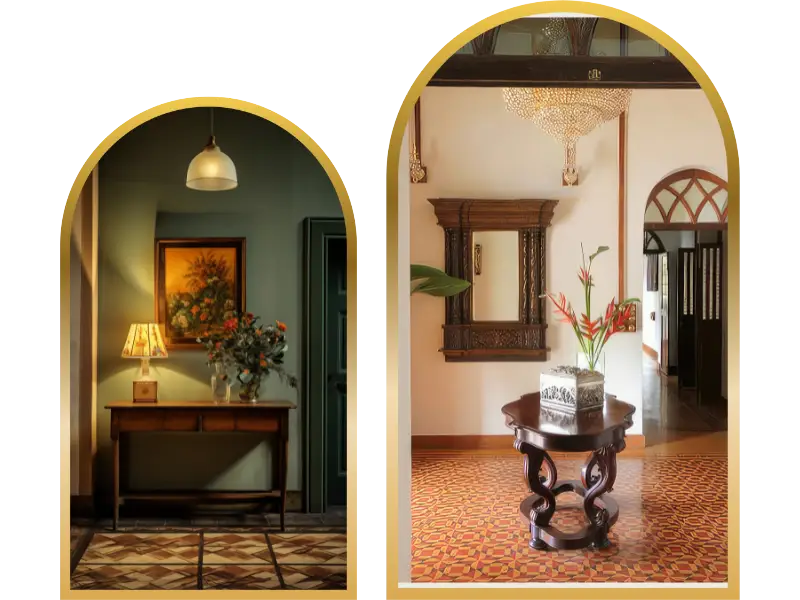
Traditional interiors favor wood finishes, which may include dark woods like mahogany or cherry. These finishes are applied to furniture, flooring, and trim, adding warmth and elegance to the space. Traditional design embraces decorative elements like wall sconces, framed artwork, mirrors with D ornate frames, and decorative molding. These accents add layers of visual interest

INTERIOR
BRANDS PARTNERS


INTERIOR HARDWARE
BRANDS PARTNERS


INTERIOR APPLIANCES
BRANDS PARTNERS



INTERIOR HARDWARE
BRANDS PARTNERS